
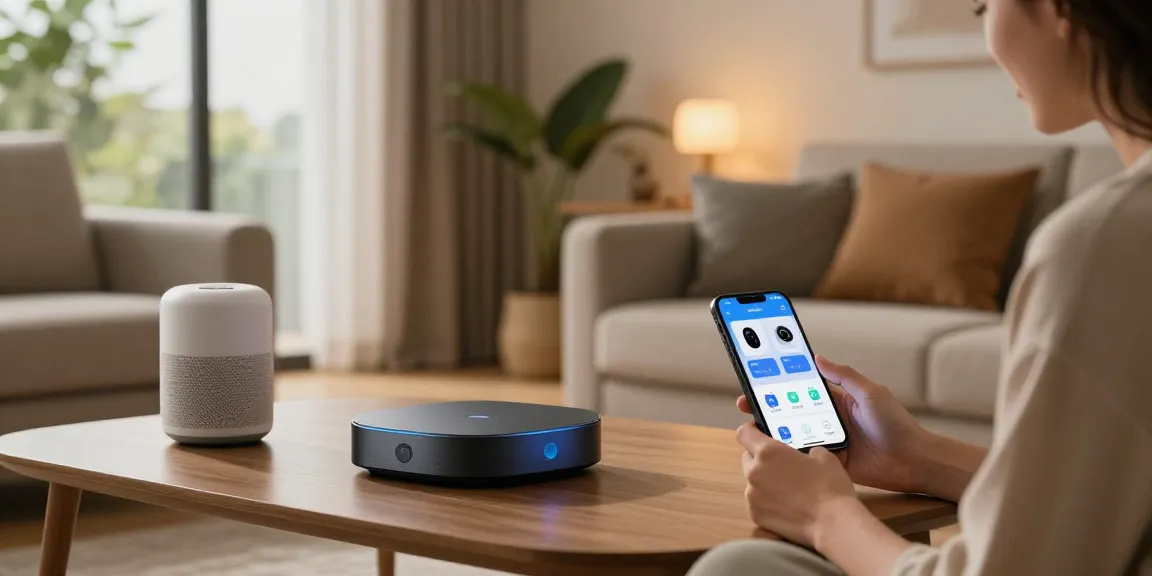
Understanding Smart Home Technology Trends for 2026
The landscape of smart home technology is evolving rapidly, with new innovations continuously transforming how we interact with our living spaces. As we step into 2026, it’s crucial to understand the trends shaping these advancements. From increased automation to enhanced security features, smart gadgets are becoming integral to modern lifestyles. This article examines the evolution of smart home devices, highlights key features to look for, addresses common misconceptions, and provides insights into the latest industry developments. When exploring options, best smart home gadgets 2026 can offer comprehensive insights into what’s new and exciting in the realm of smart technology.
Evolution of Smart Home Devices
Smart home devices have come a long way since the introduction of basic automation systems. In recent years, we have seen significant advancements in artificial intelligence (AI), Internet of Things (IoT) connectivity, and user-friendly interfaces. Today’s smart gadgets are not only smarter but also more intuitive, allowing for seamless integration into daily life. From smart thermostats that learn user preferences to intelligent security systems that offer real-time alerts, the evolution of these devices showcases a trend toward increasing convenience and efficiency. Moreover, systems now boast interoperability, enabling devices from various manufacturers to communicate and function cohesively, enhancing the overall user experience.
Key Features to Look For
As the market becomes saturated with options, identifying the standout features of smart home gadgets is crucial. Here are several key characteristics to consider when selecting devices for your home:
- AI Integration: Look for devices that utilize AI to learn and adapt to your habits, making daily living more convenient.
- Interoperability: Ensure devices can connect with various ecosystems, such as Google Home, Amazon Alexa, or Apple HomeKit.
- Energy Efficiency: Smart gadgets that help conserve energy not only save you money but also contribute to a more sustainable environment.
- User-friendly Interfaces: Devices should be easy to set up and operate, ensuring accessibility for all family members.
- Robust Security Features: With increasing connectivity comes the need for stringent security measures to protect your data and privacy.
Common Misconceptions About Smart Homes
There are several misconceptions that can deter homeowners from embracing smart technology:
- High Cost: Many believe that smart home devices are prohibitively expensive. However, a variety of options are available at different price points, making it accessible for most budgets.
- Complexity: The myth that smart homes are difficult to set up and maintain is outdated; many devices are designed for easy installation and use.
- Privacy Concerns: While security is a legitimate concern, reputable manufacturers implement robust measures to protect user data.
- Limited Compatibility: The advancement in device interoperability means that most modern gadgets can work together across platforms.
Top Picks: Best Smart Home Gadgets 2026
As we look ahead, here are some of the top smart home gadgets poised to make a mark in 2026:
Smart Security Systems
Security is a primary concern for many homeowners. The latest smart security systems provide a comprehensive solution to keep homes safe:
- Advanced Monitoring: Systems like the Ring Video Doorbell Pro and Nest Cam offer high-definition video and the ability to monitor from anywhere via smartphone apps.
- Facial Recognition: Some systems feature AI-based facial recognition technology, enabling users to identify familiar faces and monitor unwanted visitors.
- Smart Locks: Devices such as August Smart Lock Pro allow homeowners to manage access remotely, providing keyless entry for guests while tracking entry and exit times.
Intelligent Lighting Solutions
Lighting plays a critical role in enhancing home ambiance and security. The following gadgets are leading the charge in intelligent lighting:
- Smart Bulbs: Brands like Philips Hue and LIFX offer bulbs that can change color and brightness through voice commands or smartphone apps, allowing for customizable lighting settings.
- Motion Sensors: Integrating motion sensors can enhance security, automatically turning on lights when someone approaches your home.
- Energy Management: Smart lighting systems that operate on schedules can significantly reduce energy waste while enhancing home security by simulating occupancy.
Innovative Smart Speakers
Smart speakers are at the heart of many smart home ecosystems, providing a centralized hub for controlling devices:
- Voice Assistants: Devices like Amazon Echo and Google Nest Hub not only play music but also control various smart home gadgets through voice commands.
- Home Automation: These speakers can serve as control centers, allowing users to issue commands to other connected devices, making home automation effortless.
- Multi-Room Audio: Pairing speakers across multiple rooms can create an immersive audio experience, ideal for entertaining guests or enjoying family time.
Integrating Smart Gadgets for Seamless Automation
Effective integration of smart devices can lead to a smoother, smarter home experience. Below are important strategies to consider:
Creating a Centralized Control Hub
A centralized hub simplifies controlling multiple devices from a single interface. Popular options include:
- Smart Hubs: Devices like Samsung SmartThings Hub or Apple HomePod serve as focal points for managing various smart gadgets.
- App Integration: Most hubs come with mobile applications that facilitate remote management and user customization.
Connecting Devices for Optimal Performance
To optimize device performance, ensure all your smart gadgets are interconnected:
- Wi-Fi Networks: A strong and stable internet connection is crucial for uninterrupted communication between devices.
- Zigbee and Z-Wave Protocols: Utilizing these protocols can improve connectivity and allow for seamless inter-device communication.
Best Practices for Home Automation
Implementing best practices can maximize the benefits of your smart home setup:
- Regular Updates: Keep devices updated to ensure enhanced security features and improved performance.
- Consider User Preferences: Customize settings according to the preferences of all household members for maximum usability.
- Security Protocols: Establish robust passwords and utilize two-factor authentication where possible to protect your system.
Challenges and Considerations in Smart Home Setup
While the benefits of smart homes are substantial, several challenges may arise during setup:
Common Obstacles for Homeowners
Homeowners may face various obstacles when transitioning to a smart home:
- Cost of Entry: High initial costs can deter homeowners from upgrading. However, cost-effective solutions are becoming more prevalent.
- Technical Expertise: Not all users are tech-savvy, and some may find the installation process daunting without expert assistance.
Data Privacy and Security Concerns
Privacy is a critical issue in the smart home sector:
- Data Collection: Many devices collect user data to function effectively, which may concern individuals wary of privacy breaches.
- Protection Against Hacks: Ensuring that devices are secured against unauthorized access is paramount for user peace of mind.
Future-Proofing Your Smart Home
To ensure long-term viability, consider the following strategies:
- Modular Systems: Choose systems that allow for future upgrades as technology evolves.
- Sustainable Solutions: Opt for energy-efficient products that can contribute positively to both your wallet and the environment.
Looking Ahead: The Future of Smart Homes Beyond 2026
As technology continues to advance, the future of smart homes is poised for further disruption and enhancement:
Emerging Technologies in Smart Home Devices
Innovations on the horizon include:
- AI-Driven Devices: Upcoming gadgets will likely exhibit even more intelligence, with enhanced learning capabilities to adapt to user behavior.
- Voice and Gesture Control: Expect to see more devices that respond to gestures and natural language commands, simplifying interaction.
Predicted Market Growth and Trends
Market forecasts indicate significant growth in the smart home sector:
- Increased Adoption: With household penetration expected to rise dramatically, smart home tech will likely become a standard practice.
- Investment in Security: As more devices come online, investment in security solutions will follow suit, ensuring user data protection.
Smart Living: A Sustainable Approach
The emphasis on sustainability will shape the direction of future smart devices:
- Energy Efficiency: Expect innovations centered around reducing energy consumption without sacrificing performance.
- Eco-Friendly Materials: The push for sustainable materials in manufacturing will become more widespread among leading brands.
What are the benefits of smart home gadgets?
Smart home gadgets offer numerous benefits, including improved energy efficiency, enhanced security, and increased convenience in daily routines. With automated systems, homeowners can enjoy peace of mind knowing that their homes are secure and that they can manage various tasks with minimal effort.
How can I secure my smart home devices?
To secure smart home devices, utilize strong, unique passwords for each gadget, activate two-factor authentication where available, and regularly update firmware and software to protect against vulnerabilities.
Which smart home gadgets are worth the investment?
Investing in devices that enhance security, such as smart locks and cameras, along with energy-efficient products like smart thermostats, typically yields the best return on investment.
What trends should I follow for smart home automation?
Key trends to watch include the rise of AI-driven automation, increased interoperability among devices, and a focus on sustainability and energy efficiency as technology continues to advance.
How to choose the best smart home hub?
When selecting a smart home hub, consider compatibility with your existing devices, ease of use, and features that align with your home automation needs. Additionally, look for a hub that supports a wide range of protocols for maximum flexibility.